When challenge is high, but care goes missing
High performance cultures can be exhilarating, especially in their early days. Decisions move fast. Standards are high. The mission feels urgent. The organisation attracts people who want to build, ship, win, etc.
But there's a pattern we've seen repeatedly in culture assessments: when challenge rises faster than care, performance can spike in the short term and then quietly start to fray.
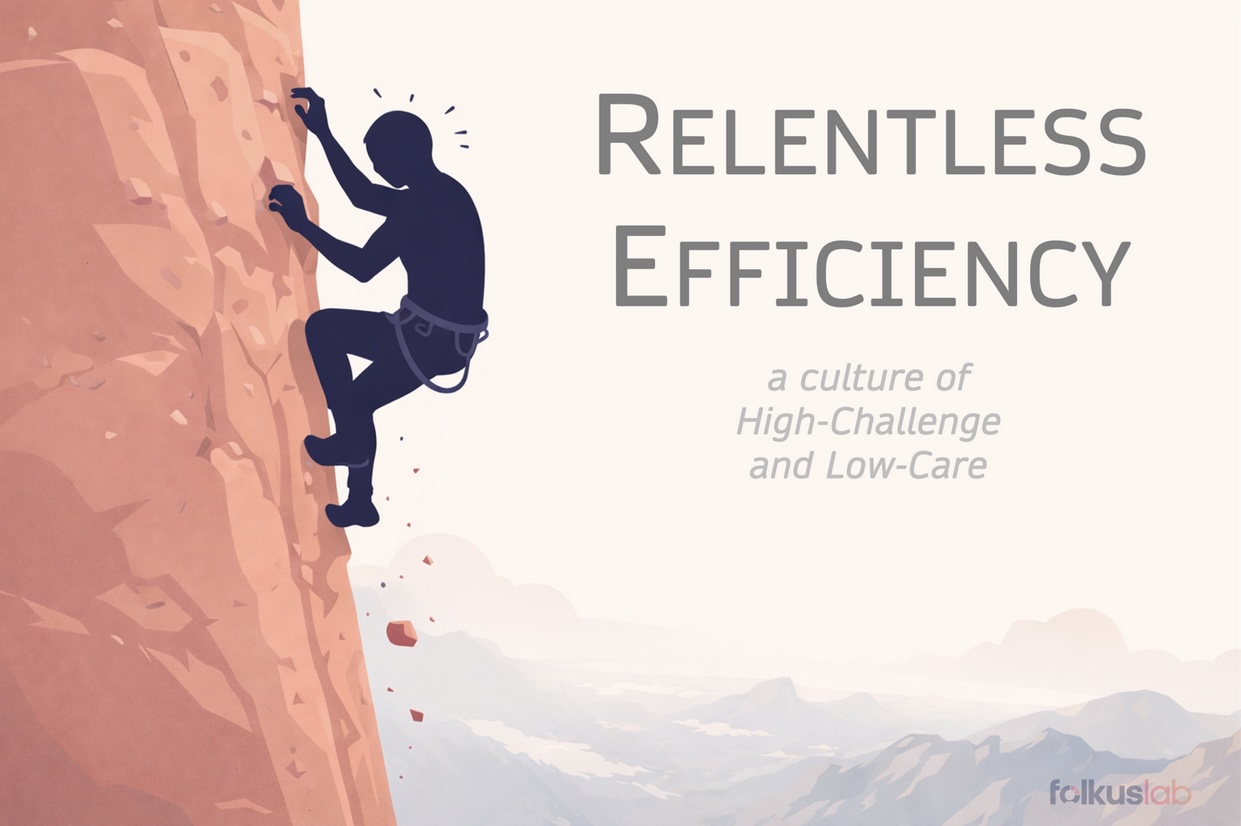
This post is the third in our Care–Challenge series, and it focuses on one of the most common culture profiles we see in clients: High Challenge, Low Care.
What is a high-challenge, low-care culture?
A high-challenge culture is defined by high standards, urgency, accountability, and a strong drive for results. High-challenge itself is not a bad thing. In fact, it's one of the ingredients seen in the healthiest cultures and is a key competitive advantage for many organisations.
The problem comes when those demands aren't balanced by enough Care signals: recognition, trust, psychological safety, human connection, and sustainable support.
When Care is low but Challenge/pressure is high, the implicit message becomes:
"Deliver. No matter what it costs you."
We humans can't sustain that indefinitely without negative impacts on ourselves or our organisations.
A familiar story: when scale quietly drains care
We once assessed a fast-growing software company built on a powerful idea: remove blockers, cut approvals, empower people, move fast, and hold the bar (super) high.
In the early days, it worked. The organisation was small, the founder was visible, teams were tight, and people felt part of something. Even if leaders didn't talk about "care," it was present in an inadvertent way, through proximity, belonging cues, and constant interaction. That closeness creates a baseline of human connection almost automatically—even if the culture is not designed to create it systematically.
Then the company scaled. Hundreds, then thousands. As teams spread across geographies and time zones, that "inadvertent care" diluted. People farther from HQ experienced less visibility, less connection, and less recognition... while the performance expectations stayed just as high.
The result was predictable: burnout, disengagement, mistrust, silos, especially in the places where Care signals were weakest.
The organisation hadn't built Care systematically. So as scale increased, Care dropped fast. In that particular case, the solution was clear, and our recommendations to implement Care systems and behavioural signals nudged their culture toward greater balance over time.
How this shows up day-to-day
In high-challenge, low-care cultures, you often see a mix of real strengths and real costs.
Strengths (the upside of high challenge):
- Fast execution and high urgency: decisions get made, momentum stays high.
- Clear performance expectations: people know results matter.
Costs (the predictable side effects of low care):
- Collaboration erodes into silos. Under pressure, people focus on what's measurable and immediate—usually it's their own targets. Cross-team work becomes "extra," and is therefore, discouraged.
- Learning and innovation shrink. New ideas require slack: time to explore, iterate, and experiment. In relentless fast-pace environments, there's no breathing room for them.
- Fear becomes functional. People become cautious about raising problems, pushing back, or sharing bad news, because the system rewards delivery, not candour.
- Recognition thins out. When results are the only language, everything else becomes invisible: coaching, supporting, developing others, preventing problems, improving systems.
None of this means people are selfish or cold. It means the culture is sending a clear signal: results first, everything else second.
The deeper issue leaders often miss
Many leaders are trained, explicitly and implicitly, to prioritise results: growth, efficiency, performance, shareholder value, winning, etc.
That skillset is necessary. But it's not sufficient to lead humans at scale.
The blind spot is assuming that performance is simply a matter of pressure + talent.
In reality, sustained performance requires a third ingredient: conditions for human thriving.
Care isn't softness. It's fuel. It's what keeps people resilient, loyal, collaborative, and willing to stretch again tomorrow. It's what helps people wake up and come to work happy, ready to take on big challenges.
Without it, high performance becomes a sprint that never ends.
What it can cost over time
If left unmanaged, high challenge / low care cultures tend to create medium and long-term risks:
- Burnout and turnover (and the hidden cost of replacing and retraining)
- Declining quality (when speed outpaces craft and quality)
- Political behaviour (self-protection, blame-shifting, image management)
- Reputation damage (a culture known for "chewing people up" eventually struggles to attract and keep talent)
- Customer impact (low care inside often leaks outward: stressed, unsupported employees rarely deliver great care externally)
You might still hit numbers for a while. But you're introducing fragility into the system.
What "dialing up Care" actually means
The goal isn't to lower standards. It's to keep the bar high and make the culture more sustainable.
Care, in practice, looks like:
- Recognition that's timely, specific, and human (not performative)
- Support systems that remove chronic overload (not just motivational talk)
- Psychological safety to raise problems early (before they become disasters)
- Human connection that scales, e.g., rituals, routines, and leadership behaviors that help people feel seen and heard
- Fairness and dignity, especially when pressure rises
Care doesn't eliminate challenge. It makes challenge bearable, and even meaningful. It's the two peas in a pod.
What to do next
If you suspect your culture leans high challenge / low care, two moves tend to matter most:
-
Don't lower the bar! Strengthen the support. Keep your healthy Challenge signals—like accountability and speed—alive and kicking, but add visible support: recognition, clarity, better workload calibration, and norms for candid-but-respectful communication.
-
Measure where care is dropping (especially as you scale). This pattern often looks different across teams, regions, and levels. A company-wide assessment helps pinpoint where care signals are weakest, so you can intervene with precision rather than guess.
If you recognised your organisation in some of the patterns above, we're happy to talk. A short conversation is often enough to sense-check where you are on the Care–Challenge map, and what "turning up care" could look like without lowering the bar.
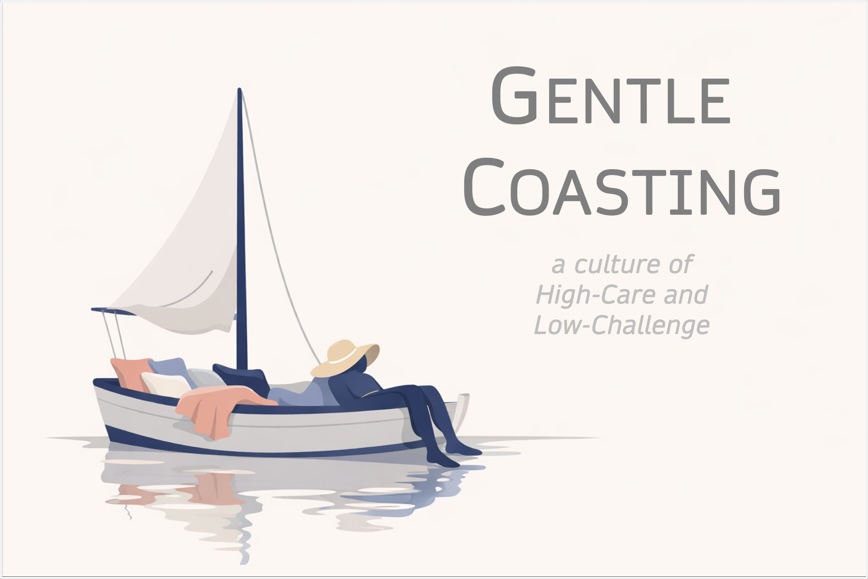
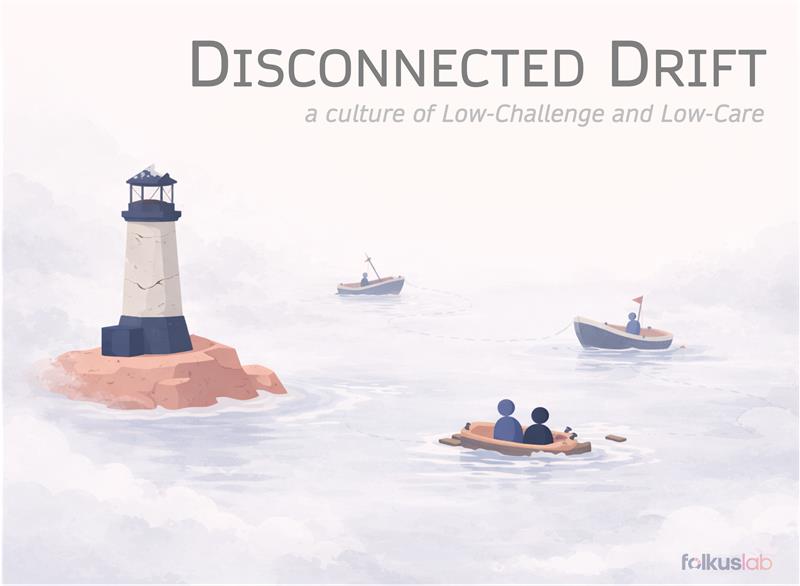
Our next posts in this series will cover High Care / High Challenge (the sweet spot) and Low Care / Low Challenge (when cultures drift into disconnection). See you again soon!