Beth Greenland · Principal, Greenland and Associates · former Faculty, Georgetown Leadership Coaching Program
An AI self-reflection tool
Some problems can’t be fixed. Only outgrown.
Senda is an AI self-reflection tool that helps you outgrow the problems you can’t think your way out of. Not by giving advice, but by asking questions that let you see the lens you look out from.
Built on 50 years of Harvard adult-development research · founder trained under Robert Kegan
Early-adopter access · a small first group, early-adopter pricing
“Senda is an extraordinary questioner and guide.”Beth Greenland · former Faculty, Georgetown Leadership Coaching Program
“A solid job of getting me to reflect on myself.”Oliver Robinson · Professor, Regent’s University London
“Not a friend, teacher or cheerleader: a gentle mirror of my own self.”Luka Bajic · software agency founder
“I found my experience with Senda unexpectedly reassuring.”Dr Ursula Clidière · executive coach & coach supervisor
Real session
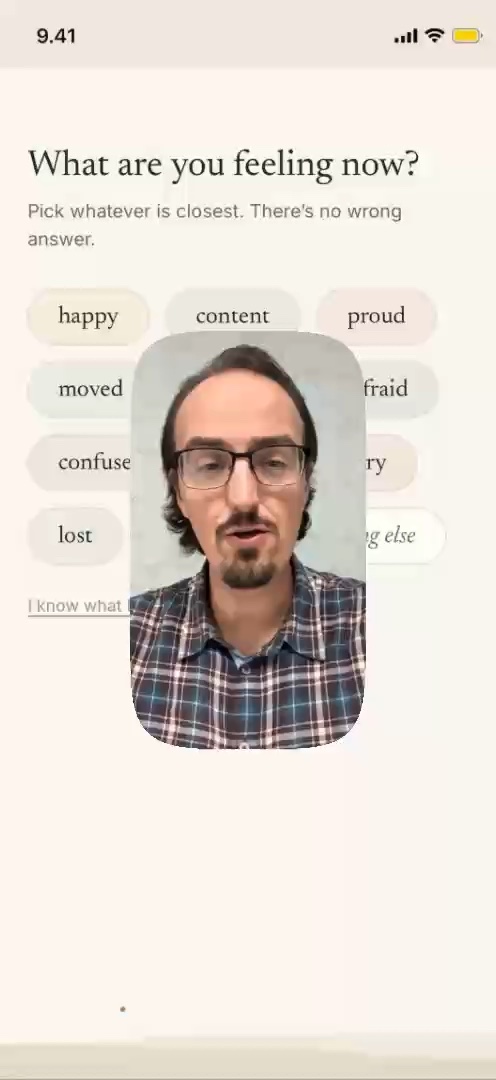 How Senda works · about a minute and a half
Senda
Worry versus care
Preocupación vs. cuidado
Senda
Hi, I’m Senda. You can tell me about something that’s weighing on you. Maybe it’s an argument that hasn’t left you, a worry that keeps coming back, a decision you keep putting off. Whatever it is, I’ll help you hold it. What’s on your mind or heart?
i notice as I retire that my only regret is the worry energy I put into all of those working years. As I step into retirement I want to worry less, even as my life circumstances may change due to aging
Senda
That’s a striking thing to arrive at — looking back over a whole working life and finding the regret isn’t about a decision or an outcome, but about energy spent worrying.
Can you bring to mind one specific time that captures it? A moment when you noticed yourself worrying, maybe recently or from those working years — what was happening, what were you worried about?
I did group work and I would regularly lose sleep the night before wondering if I have thought of everything, wondering what could go wrong - past what would have been helpful planning - it was more ruminating or perseverating
Senda
Lying there, past the point where thinking more would actually help — that sounds exhausting in a specific way, not just tired.
What was the worst part of those nights, for you? What were you actually afraid would happen if you hadn’t thought of everything?
it wouldn't be good for the business reputation or the participants experience
Senda
So even past midnight, it was still business reputation and the participants that filled your mind — not “what if I look incompetent” but something more outward.
What would it have actually meant about you, if something had gone wrong despite all that planning?
over the years I guess I thought it would mean something about me but I don't feel that way now
Senda
That’s a real shift — the same nights, but the meaning attached to them has moved. What does it feel like now, when you think about a night like that, if it’s not “this says something about me” anymore?
connecting to my question for the future...I can see that my worrying would be that I was letting someone down
Senda
That’s an interesting move — the fear didn’t disappear, it relocated. Instead of “this says something about me,” it’s now “I’d be letting someone down.”
Who do you picture, when you imagine letting someone down in retirement?
my husband especially who is older - my kids and grandchild
Senda
So it’s not gone, it’s just moved from work to the people closest to you now.
What would “letting him down” actually look like, in your mind — what are you picturing?
not preparing adequately for our eventual declines in health, maybe not taking adequate advantage of the very good health we have now
Senda
There’s something interesting in what you just said — worrying about not preparing enough for decline, and worrying about not taking advantage of the good health you have now. Those seem like they could pull against each other — the energy that goes into preparing for what might go wrong is energy not spent in the good years while you have them.
Does that land, or am I off?
yes, and the worry is the issue...the heaviness of ruminating v the task of planning
Senda
So the planning itself was never the problem — it’s useful, it’s just a task. It’s the rumination riding along with it that costs you the sleep, and maybe the years too.
What lets the rumination in, even when you can see it’s not the same as planning? Is there a part of you that believes the worrying itself is doing something — like it’s a form of care, or diligence?
certainly it must be doing something for me - care, diligence, a problem for my mind to work on, wondering if I missed something...
Senda
So if you set the worry down — really put it down, not just once but as your default now — what would you be afraid of losing? What is it doing for you that just planning well wouldn’t do?
nothing that I can think of - it's more a reflexive behavior - and now I am thinking I must enjoy it at some level - maybe it makes me feel virtuous and caring?
Senda
That’s a real turn — from “reflexive” to “maybe it makes me feel virtuous and caring.” So the worry might not be about the outcome at all — it might be doing something for how you see yourself, quietly, underneath the actual caring.
We’re in deeper territory now. How are you doing — okay to keep sitting with this, or want a minute?
keep going
Senda
If worry equals feeling virtuous and caring — what would it mean about you if you cared just as deeply, but didn’t worry? Does some part of you suspect that not-worrying would mean caring less?
that may be - that I express my care by worrying - the more I worry the more I care? that doesn't make any sense but it may be true for me
Senda
There it is — worry as the currency of care, as if the amount of worrying is the measure of how much you love someone. And you’re catching yourself: it doesn’t make sense, and it may be true for you anyway. Both at once.
Let me offer this back and see if it fits: it sounds like somewhere along the way, you came to believe that worry is love — that if you stopped worrying about your husband, your kids, your grandchild, some part of you would read that as caring less. Does that land, or is it not quite that?
I think that's right - and I know from my work experience that worry only costs sleep and doesn't do anything helpful.
Senda
So you’ve got both pieces held at once now: worry feels like the proof of love, and you already have the evidence from your working years that it doesn’t actually protect anyone — it just costs you sleep.
What if we tested that assumption — not to prove it wrong, just to see what’s actually true? Not “stop caring,” just noticing what happens to the caring itself when the worry isn’t riding along with it.
sounds good and separating caring from worry feels challenging
Senda
That challenge itself is worth taking seriously — it suggests the two have been fused for a long time, not something you can just decide apart.
You know your situation best. What might a small, real test look like — something where you could notice the difference between caring and worrying, without much risk if it doesn’t go the way you expect?
If it helps, I can offer an example or two — though the one that fits best is usually one you shape yourself.
I would like to hear your ideas and then I will propose one
Senda
Here are a couple of shapes, just to prime it — the real one will probably be yours:
The planning cutoff: next time you’re preparing for something (a visit, a health appointment, a decision about the house) — do the actual planning, then name a stopping point out loud (“I’ve thought of what I can think of”), and notice what the urge to keep going feels like when you don’t follow it.
The bedtime swap: one night this week when the ruminating starts, instead of turning it over again, try silently naming what you love about the person you’re worried about — see if the caring feeling shows up without the worry doing the work.
What comes to mind for you?
I like both of those a lot! Certainly noticing the worrying to be able to break it is key - so that's the first step and then I will try both of those. I am realizing I worry to try to protect myself and others from bad outcomes which suggests I believe at some level that I have more control than I actually have
Senda
That’s a real addition to what you found earlier — underneath “worry equals care” there’s also “worry equals control I don’t actually have.” Two illusions doing a lot of work at once.
You’ve covered real ground today — from “this says something about me,” to “it’s about letting them down,” to catching worry as both a stand-in for love and a stand-in for control you don’t have. That’s a lot to have surfaced in one sitting.
Is there something from this you’d want to carry with you — a phrase, an image, something small you’d notice in the moment when the worry starts up?
it's all helpful - thanks!
Senda
I’m glad. You did real work today — noticing that worry had quietly become your proof of love and control, when you already know from decades of experience that it doesn’t actually protect anyone. That’s worth carrying into this next stretch of life.
Take care of yourself as you step into this next chapter. The worrying may show up out of habit, but you already know what it costs, and what it doesn’t protect. I hope the good years get more room to breathe.
Senda
Hola, soy Senda. Puedes contarme algo que te pese. Quizá una discusión que no te suelta, una preocupación que vuelve una y otra vez, una decisión que sigues aplazando. Sea lo que sea, te ayudaré a sostenerlo. ¿Qué tienes en la mente o en el corazón?
me doy cuenta al jubilarme de que mi único arrepentimiento es la energía de preocupación que puse en todos esos años de trabajo. al entrar en la jubilación quiero preocuparme menos, aunque mis circunstancias puedan cambiar con la edad
Senda
Es llamativo llegar ahí — mirar atrás sobre toda una vida de trabajo y encontrar que el arrepentimiento no va de una decisión ni de un resultado, sino de la energía gastada en preocuparse.
¿Puedes traer a la mente un momento concreto que lo capture? Un momento en que te notaras preocupándote, quizá reciente o de aquellos años de trabajo — ¿qué estaba pasando, qué te preocupaba?
hacía trabajo con grupos y solía perder el sueño la noche anterior preguntándome si había pensado en todo, preguntándome qué podría salir mal - más allá de lo que habría sido una planificación útil - era más rumiar o darle vueltas sin parar
Senda
Ahí tumbada, pasado el punto en que pensar más ayudaría de verdad — eso suena agotador de una manera específica, no solo cansada.
¿Qué era lo peor de esas noches, para ti? ¿Qué temías de verdad que pasara si no habías pensado en todo?
que no fuera bueno para la reputación del negocio o para la experiencia de los participantes
Senda
Así que incluso pasada la medianoche, lo que llenaba tu mente seguía siendo la reputación del negocio y los participantes — no «qué pasa si parezco incompetente», sino algo más orientado hacia fuera.
¿Qué habría significado de verdad sobre ti, si algo hubiera salido mal a pesar de toda esa planificación?
con los años supongo que pensaba que significaría algo sobre mí, pero ya no lo siento así
Senda
Ese es un cambio real — las mismas noches, pero el significado que llevaban pegado se ha movido. ¿Cómo se siente ahora, cuando piensas en una noche así, si ya no es «esto dice algo sobre mí»?
conectando con mi pregunta para el futuro... puedo ver que mi preocupación sería estar fallándole a alguien
Senda
Es un movimiento interesante — el miedo no desapareció, se reubicó. En lugar de «esto dice algo sobre mí», ahora es «le estaría fallando a alguien».
¿A quién te imaginas, cuando piensas en fallarle a alguien en la jubilación?
a mi marido sobre todo, que es mayor - a mis hijos y a mi nieto
Senda
Así que no se ha ido — solo se ha movido del trabajo a las personas más cercanas a ti ahora.
¿Qué aspecto tendría «fallarle», en tu mente — qué estás imaginando?
no prepararnos adecuadamente para nuestro eventual declive de salud, quizá no aprovechar bien la muy buena salud que tenemos ahora
Senda
Hay algo interesante en lo que acabas de decir — preocuparte por no prepararte lo suficiente para el declive, y preocuparte por no aprovechar la buena salud que tenéis ahora. Parece que podrían tirar la una contra la otra — la energía que va a prepararse para lo que podría salir mal es energía que no se vive en los años buenos mientras los tenéis.
¿Te encaja, o me estoy desviando?
sí, y la preocupación es el problema... el peso de rumiar frente a la tarea de planificar
Senda
Así que planificar nunca fue el problema — es útil, es solo una tarea. Es la rumiación que viaja con ello lo que te cuesta el sueño, y quizá también los años.
¿Qué deja entrar a la rumiación, incluso cuando puedes ver que no es lo mismo que planificar? ¿Hay una parte de ti que cree que preocuparse está haciendo algo en sí mismo — como si fuera una forma de cuidado, o de diligencia?
seguro que algo hace por mí - cuidado, diligencia, un problema en el que mi mente puede trabajar, preguntarme si se me escapó algo...
Senda
Entonces, si soltaras la preocupación — soltarla de verdad, no solo una vez sino como tu norma a partir de ahora — ¿qué tendrías miedo de perder? ¿Qué está haciendo por ti que planificar bien no haría?
nada que se me ocurra - es más un comportamiento reflejo - y ahora estoy pensando que debo de disfrutarlo a algún nivel - ¿quizá me hace sentir virtuosa y cuidadosa?
Senda
Ese es un giro real — de «reflejo» a «quizá me hace sentir virtuosa y cuidadosa». Así que puede que la preocupación no vaya del resultado en absoluto — puede que esté haciendo algo por cómo te ves a ti misma, en silencio, por debajo del cuidado real.
Estamos en territorio más profundo ahora. ¿Cómo vas — bien para seguir con esto, o quieres un minuto?
sigue
Senda
Si preocuparse equivale a sentirse virtuosa y cuidadosa — ¿qué significaría sobre ti que cuidaras igual de profundamente, pero sin preocuparte? ¿Sospecha alguna parte de ti que no preocuparse significaría querer menos?
puede ser - que expreso mi cariño preocupándome - ¿cuanto más me preocupo, más quiero? no tiene ningún sentido pero puede que sea verdad para mí
Senda
Ahí está — la preocupación como la moneda del cariño, como si la cantidad de preocupación fuera la medida de cuánto quieres a alguien. Y te estás pillando a ti misma: no tiene sentido, y aun así puede ser verdad para ti. Las dos cosas a la vez.
Deja que te lo devuelva, a ver si encaja: parece que en algún punto del camino llegaste a creer que preocuparse es querer — que si dejaras de preocuparte por tu marido, tus hijos, tu nieto, una parte de ti lo leería como querer menos. ¿Te encaja, o no es exactamente eso?
creo que es eso - y sé por mi experiencia de trabajo que preocuparse solo cuesta sueño y no ayuda en nada.
Senda
Así que ahora sostienes las dos piezas a la vez: la preocupación se siente como la prueba del cariño, y ya tienes la evidencia de tus años de trabajo de que en realidad no protege a nadie — solo te cuesta el sueño.
¿Y si pusiéramos a prueba esa suposición — no para demostrar que está mal, solo para ver qué es verdad? No «dejar de querer», solo notar qué le pasa al cariño cuando la preocupación no viaja con él.
me parece bien, y separar el cariño de la preocupación se siente difícil
Senda
Ese desafío merece tomarse en serio — sugiere que las dos cosas llevan mucho tiempo fusionadas, no algo que puedas separar solo con decidirlo.
Tú conoces tu situación mejor que nadie. ¿Qué aspecto podría tener una prueba pequeña y real — algo donde pudieras notar la diferencia entre cuidar y preocuparte, sin mucho riesgo si no sale como esperas?
Si te ayuda, puedo ofrecerte un ejemplo o dos — aunque la que mejor encaja suele ser la que das forma tú misma.
me gustaría oír tus ideas y luego propongo una
Senda
Aquí van un par de formas, solo para abrir el pensamiento — la de verdad probablemente será tuya:
El corte de planificación: la próxima vez que estés preparando algo (una visita, una cita médica, una decisión sobre la casa) — haz la planificación de verdad, luego nombra en voz alta un punto de parada («he pensado en lo que puedo pensar»), y nota cómo se siente el impulso de seguir cuando no lo sigues.
El cambio de antes de dormir: una noche de esta semana, cuando empiece la rumiación, en lugar de darle vueltas otra vez, prueba a nombrar en silencio lo que quieres de la persona que te preocupa — a ver si el sentimiento de cariño aparece sin que la preocupación haga el trabajo.
¿Qué te viene a la mente?
¡me gustan mucho las dos! desde luego, notar la preocupación para poder romperla es la clave - así que ese es el primer paso y luego probaré las dos. me estoy dando cuenta de que me preocupo para intentar protegerme y proteger a otros de malos resultados, lo que sugiere que en algún nivel creo que tengo más control del que en realidad tengo
Senda
Esa es una adición real a lo que encontraste antes — debajo de «preocuparse equivale a querer» también hay «preocuparse equivale a un control que en realidad no tengo». Dos ilusiones haciendo mucho trabajo a la vez.
Has recorrido terreno de verdad hoy — de «esto dice algo sobre mí», a «va de fallarles», a pillar a la preocupación haciendo de sustituto del amor y de un control que no tienes. Es mucho para haber salido a la superficie en una sola sesión.
¿Hay algo de esto que quieras llevarte contigo — una frase, una imagen, algo pequeño que notarías en el momento en que la preocupación arranca?
todo es útil - ¡gracias!
Senda
Me alegro. Has hecho un trabajo real hoy — notar que la preocupación se había convertido, en silencio, en tu prueba de amor y de control, cuando ya sabes por décadas de experiencia que en realidad no protege a nadie. Eso merece llevarse a esta siguiente etapa de la vida.
Cuídate al entrar en este nuevo capítulo. La preocupación puede aparecer por costumbre, pero ya sabes lo que cuesta, y lo que no protege. Espero que los años buenos tengan más espacio para respirar.
Most apps hand you answers.
Senda grows the one who’s asking.
You’ll know the moment
The argument you keep replaying.
The high standards that don’t let you rest.
The decision you can’t stop circling.
The fear of what might happen if…
When something has hold of you, that’s the cue.
Bring it here.
What it is
Not therapy. Not a mood app. Not a cheerleader.
No chasing feelings away. No telling you what to do. Senda helps you see how you make sense of what’s got you, and grow the mind that’s making it. Relief comes anyway; it’s not the point.
It’s not for acute crisis. If you’re in danger or in severe distress, you need a real person.
But a crisis of meaning or of who you’re becoming? Bring it. That’s exactly what Senda is for.
How it works
A different kind of conversation.
Most AI is quick to answer, and quicker to agree.
Senda respects you too much for that.
Start with one real thing
A worry that keeps coming back, a knot at work. Your own words, however messy. There’s no wrong way to begin.
i
Look at it, accompanied
Senda listens, then asks. Honest questions that surface what’s too close to see. No advice. No verdicts.
ii
Test it in your life
One small practice or experiment, designed with you. The real learning happens in your life, not in a chat.
iii
Grow, at every stage of life
What grips you at twenty isn’t what will grip you at forty, or seventy. The path runs the whole way.
iv
The promise
Your challenges are the path.
Your problems are too valuable to waste.
Handled well, they’re fuel for your growth, maturity, wisdom. Each time you bring one, you come out seeing more than you did.
Real testimonials
What people say about Senda.
Oliver Robinson · Professor & Head of Psychotherapy, Psychology, Arts and Culture, Regent’s University London
Luka Bajic · Founder, Rubiworks, a software development & integration agency
Dr Ursula Clidière · Executive coach and coach supervisor
Real conversations
What people bring to Senda.
Read one full, real conversation →
Shared with the tester’s permission, in its entirety.
The roots
Fifty years of Harvard research, working quietly underneath.
Senda rests on Robert Kegan’s constructive-developmental theory: decades of research into how adult minds keep growing, long after we stop getting taller. Senda’s founder trained under Kegan at Harvard; his research on maturity and happiness is still assigned reading there today.
The science stays beneath the surface, in the questions. You’ll never be reduced to a stage or a score.
Why “Senda”
Senda is Spanish for footpath: the narrow trail worn into the land by those who walk it.
«Caminante, no hay camino,
se hace camino al andar.»
Antonio Machado
Walker, there is no path. The path is made by walking.
Your privacy
A safe place to think and feel.
- No one can read your chats: only you and Senda (the AI).
- Your conversations live only in your browser, on your device — never stored on an external server.
- The AI never sees your name. It only sees what you write in the chat itself.
- Your words stay yours: never sold, never used to train AI.
- Delete anything or everything, any time. For good.
From the founder
I’ve been a prison chaplain, leadership consultant, meditation teacher, and student of Robert Kegan at Harvard. I’ve seen his theory of adult development do what no other psychology I know can.
Where Senda began is a story better told than written. It’s a minute and a half.
— Andrés
You can’t be handed a bigger mind.
But you can grow one.
Thank you, you’re on the path. We’ll write soon.